I was born and reared in the amber light of northern California.
After high school, I served 18 months as a "deck ape" on a navy destroyer in the West Pacific. On our return trip from the Tonkin Gulf, I created a portrait of our captain, which earned me a transfer to a military school of journalism. Upon graduation, I spent 13 months as the staff artist for the American Forces Radio & TV station in Guantanamo.
I completed my final year of service in Italy, where I serendipitously stumbled into an exhibition of Van Gogh paintings – a religious experience for me at 23.
My "formal" art education followed at San Francisco Art Institute (BFA) and Sacramento State University (MA). As one of San Francisco's first licensed street artists, I covered my tuition by selling my drawings to tourists.
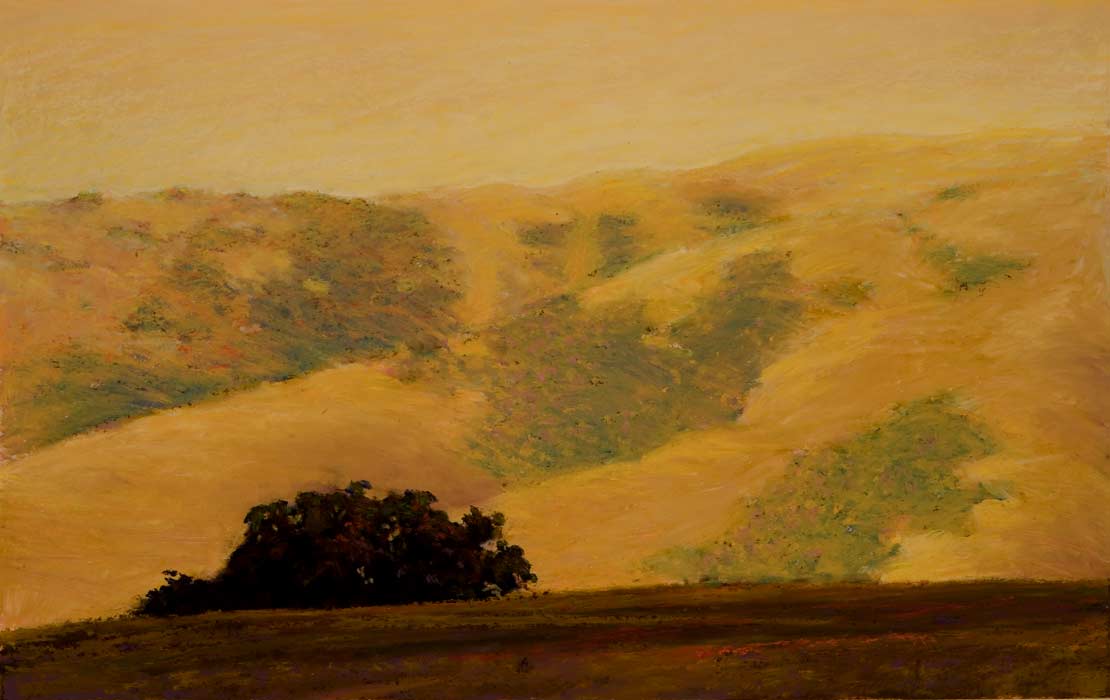
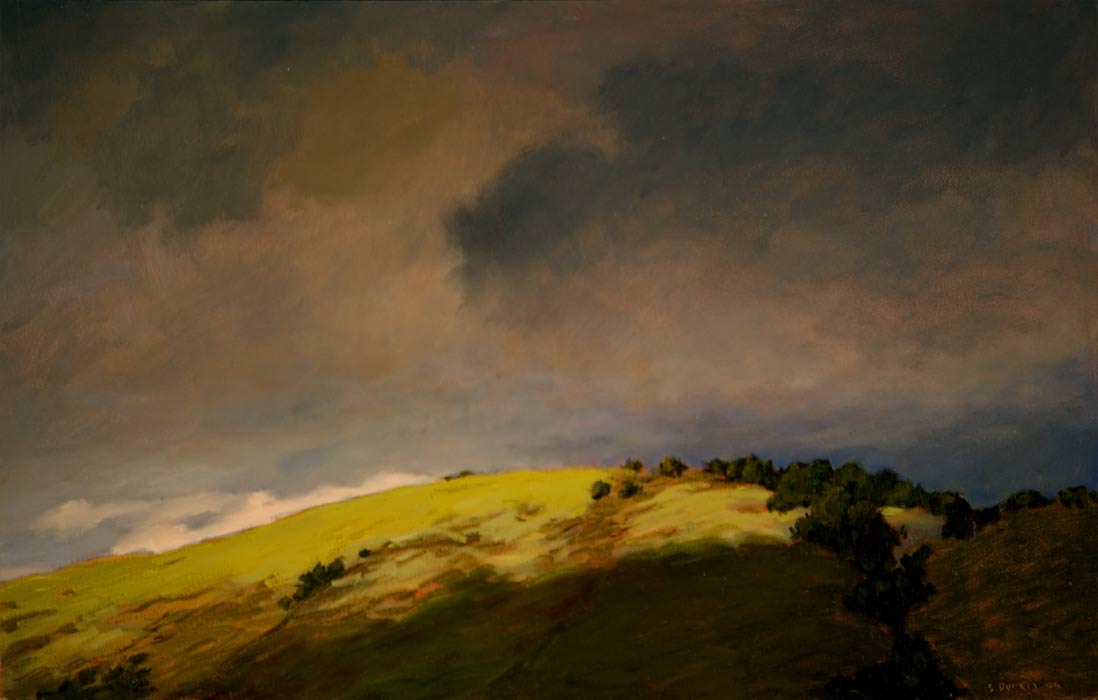
Much of my time was spent off campus working directly from nature. For many years the textures and patterns of the northern California landscape were the foundation of my painting vocabulary.
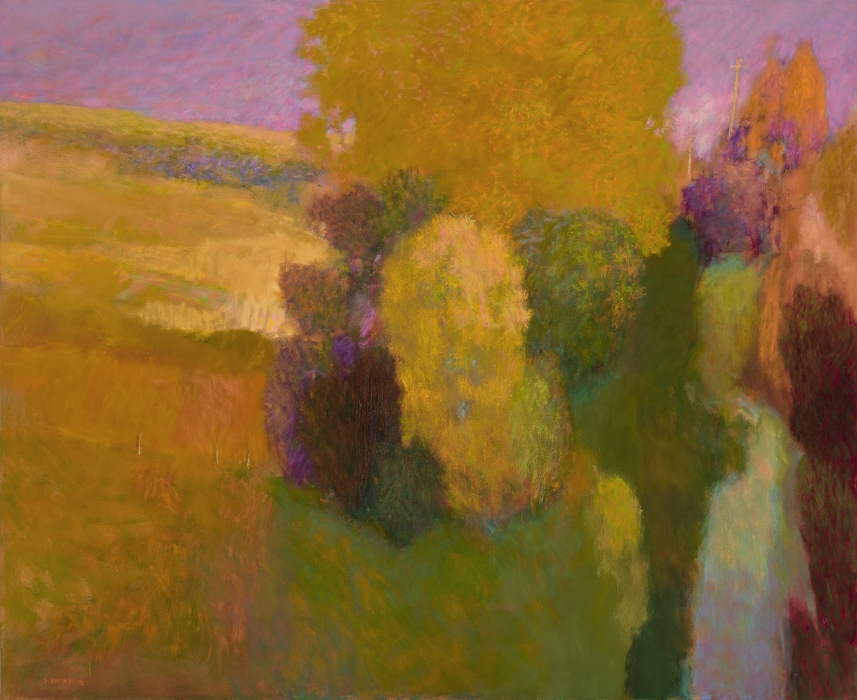
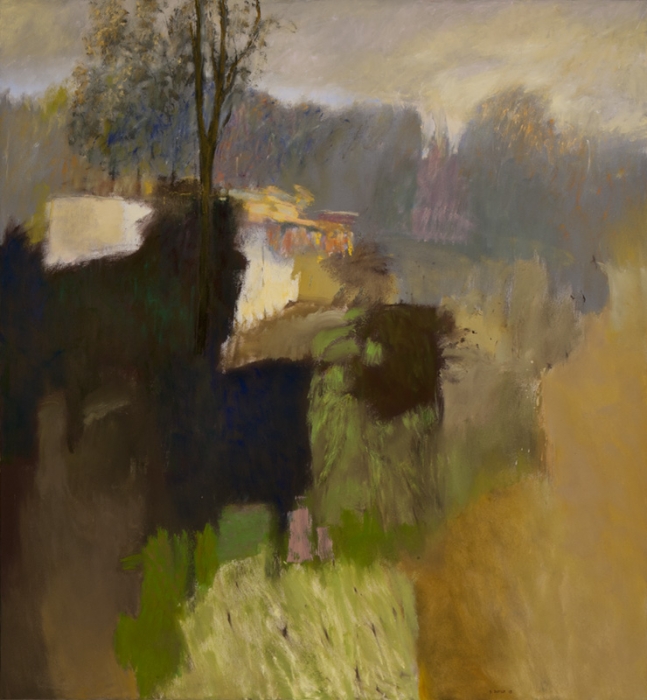
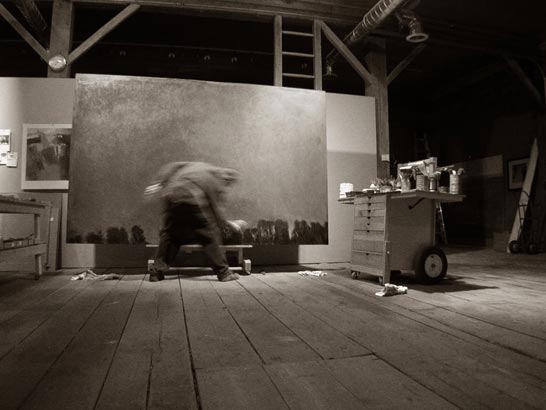
In 1978 I moved to West Michigan, where I taught art for six years in local colleges (can anyone really teach art?) before settling into my full-time vocation as a painter.
I was inspired early on by 19th-century European artists from the Barbizon School and the Impressionists. However, my later figurative interiors from the '90s revealed my love for the French modernist painter Pierre Bonnard.
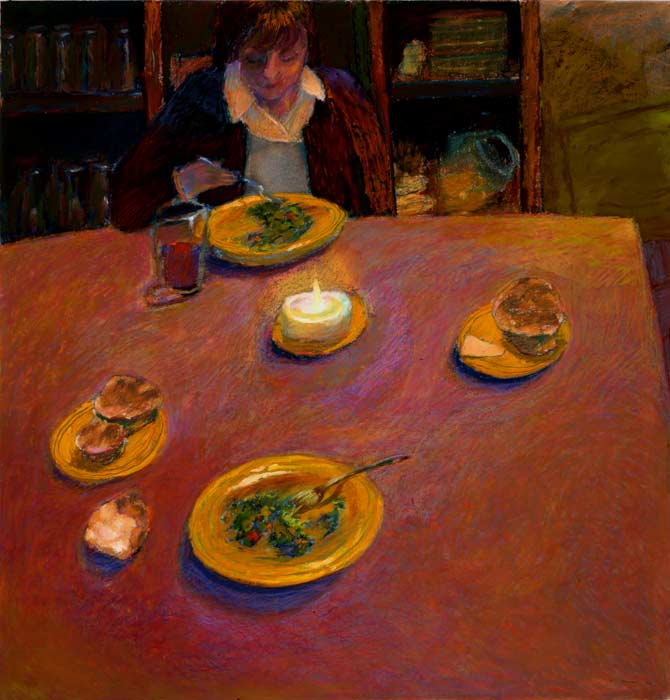
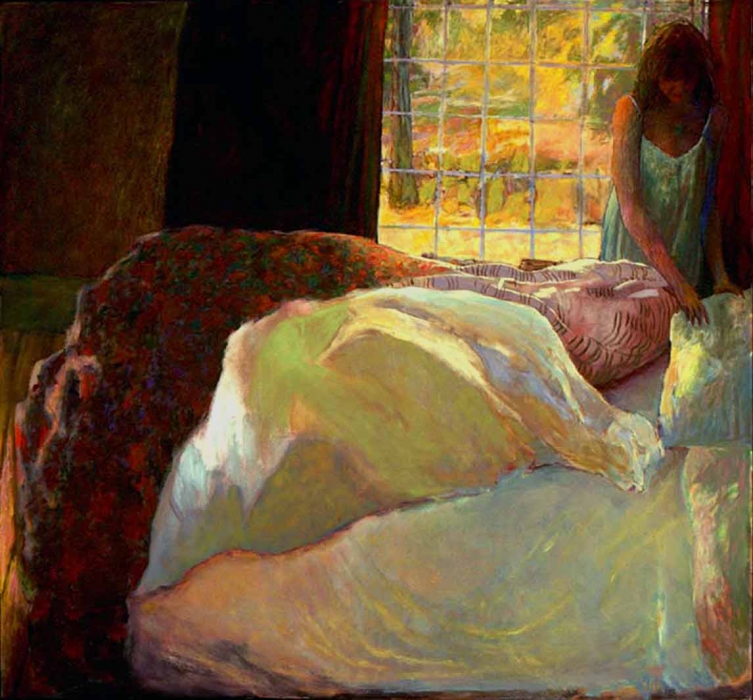
I was later influenced by the works of the American painters Albert P. Ryder, Milton Avery, George Inness and the mystical, tonal California paintings of Gottardo Piazzoni. Many of the paintings of Wolf Kahn and Piazzoni's grandson, Russell Chatham, also moved me. And I have always been especially drawn to the California light, compositions, and searching, palimpsest painting surfaces of Richard Diebenkorn. More recently, the large, imaginative paintings of Peter Doig have caught my attention.
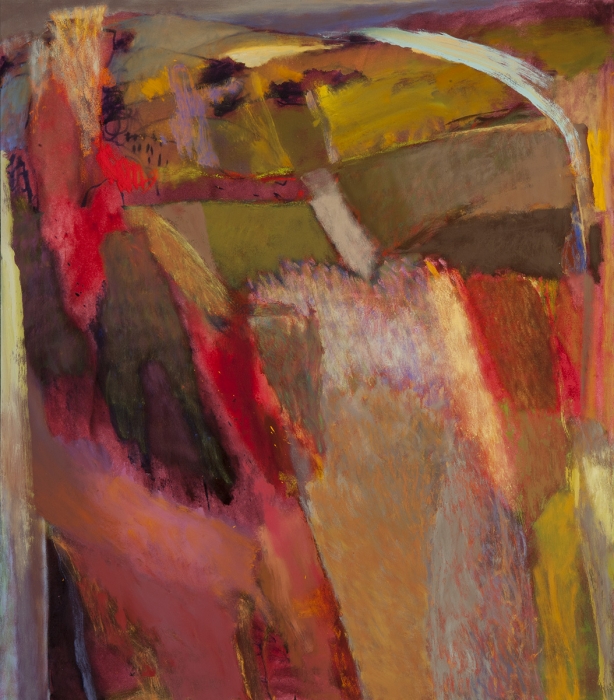
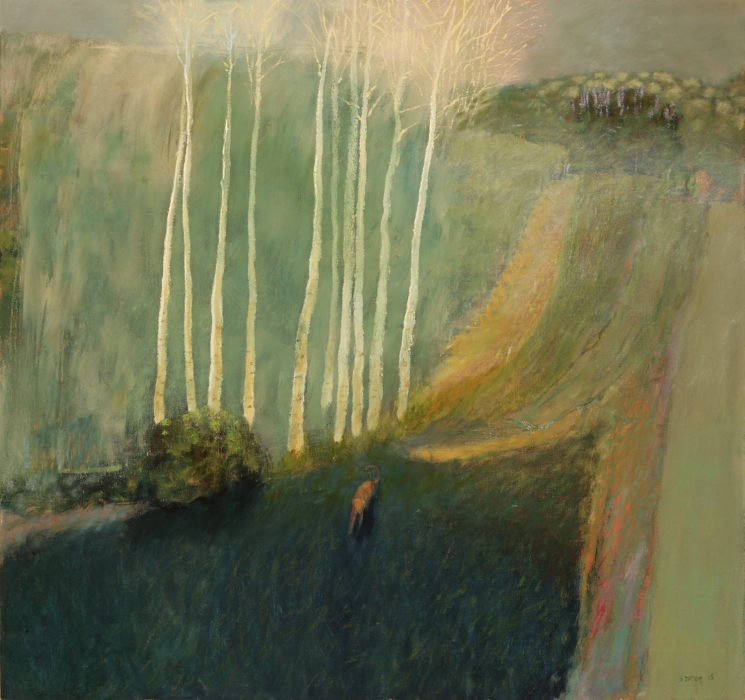
Much of my work remains semi-abstract, but I am often lured away from my studio by the desire to paint directly from nature, a call I have answered since I was 15. A local glossy once wrote that I am rejoicing in the rightness of created things, a reference perhaps to God. However, I am not your conventional theist and do not anthropomorphize God. I am in awe of the universe, especially as it manifests in nature, so I might best be described as a Pantheist.
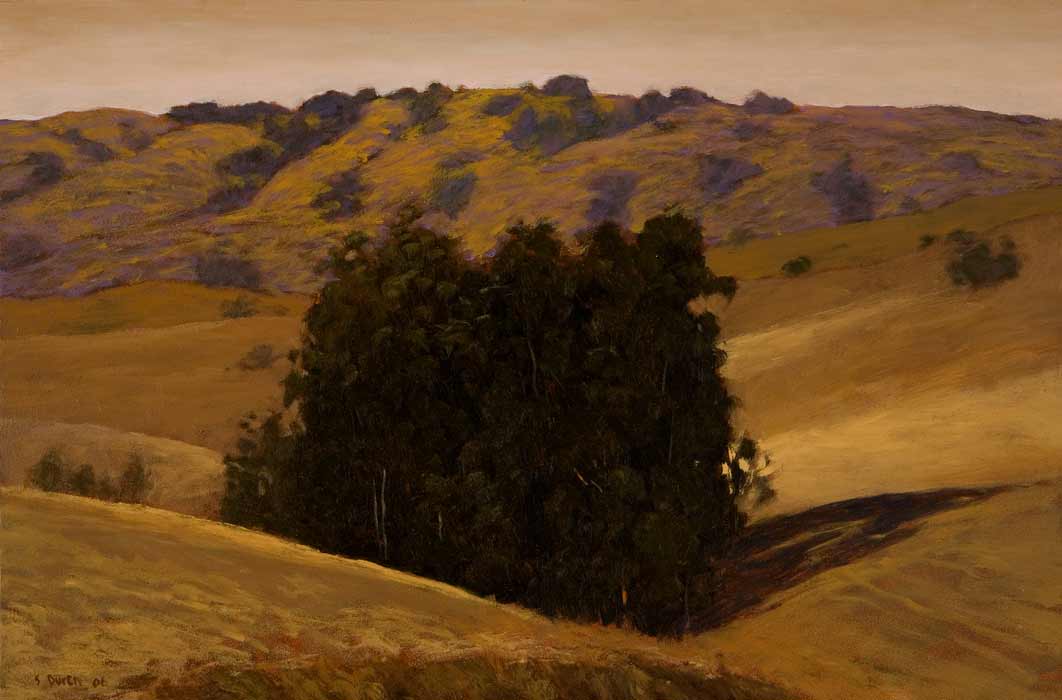
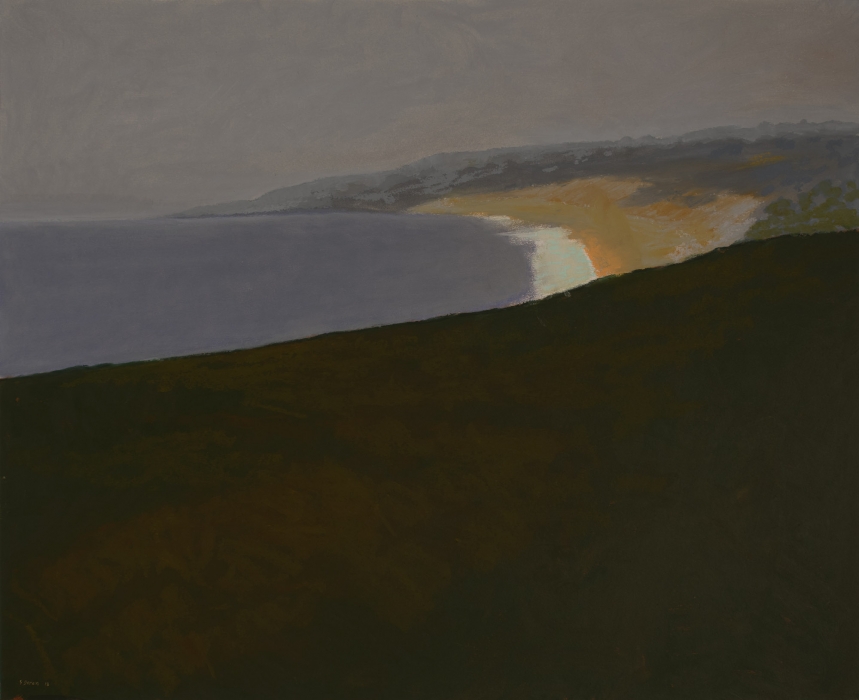
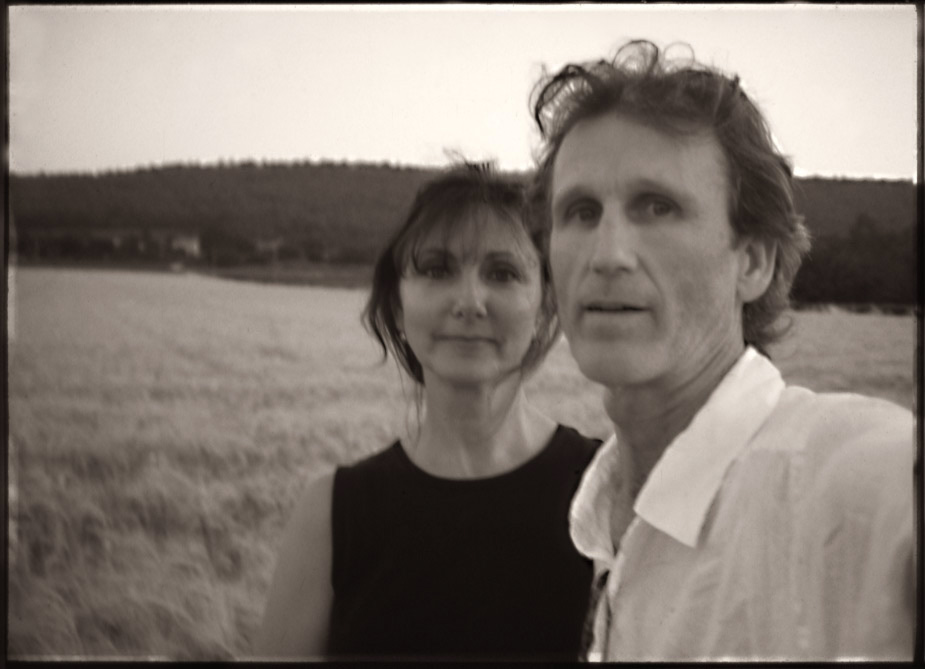
My wife, Victoria Peabody, has a more progressive aesthetic sense than me, and she keeps me a little closer to the "edge" than I am naturally inclined to go. This is good since I tend to find a comfortable spot and not want to move.
Victoria accompanied me on many painting trips, entering sketches and notes into her journals, describing our excursions through Michigan, Northern California, Italy, and France as "...pleasant days suspended in quiet nature."
Yeah, I remember these pleinair outings as some of the most relaxed, fulfilling, and almost trancelike moments in my painting career.